“Video report published by WILX News 10 covering Representative Penelope Tsernoglou’s removal from committee assignments following renewed calls for investigation into Jeffrey Epstein’s historical ties to Interlochen Center for the Arts.”
Questions are once again being raised about whether a new investigation tied to Jeffrey Epstein’s historical connection to Interlochen Center for the Arts is necessary, despite years of public reporting and broader Department of Justice reviews into Epstein-related matters.
The renewed attention comes after MI State Representative Penelope Tsernoglou called for a bipartisan committee to investigate Epstein’s connections to Interlochen Center for the Arts. Shortly afterward, Matt Hall removed her from all committee assignments, stating the decision was based on what he described as disruptive and disrespectful conduct during committee proceedings — not her Epstein-related press conference. Tsernoglou, however, argued the move was retaliatory and intended to silence her.
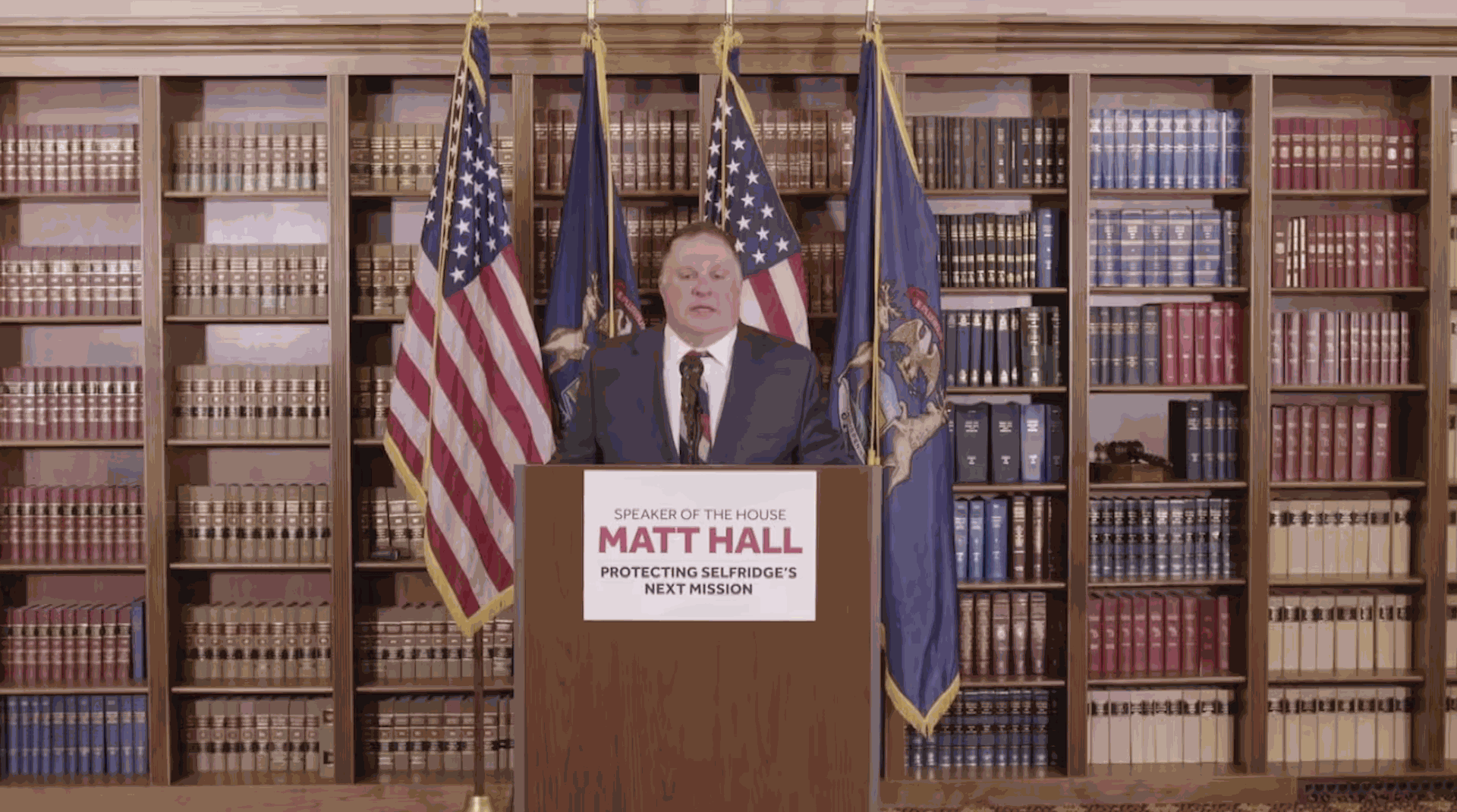
“Matt Hall speaking publicly in an image used by WILX News 10 during coverage surrounding the removal of Representative Penelope Tsernoglou from committee assignments.”
According to reporting from WILX, documents released by the U.S. Department of Justice included allegations that Jeffrey Epstein and Ghislaine Maxwell used Interlochen to prey on young women. Tsernoglou claimed Epstein “was able to recruit some of his first victims there” and questioned whether warning signs were missed.
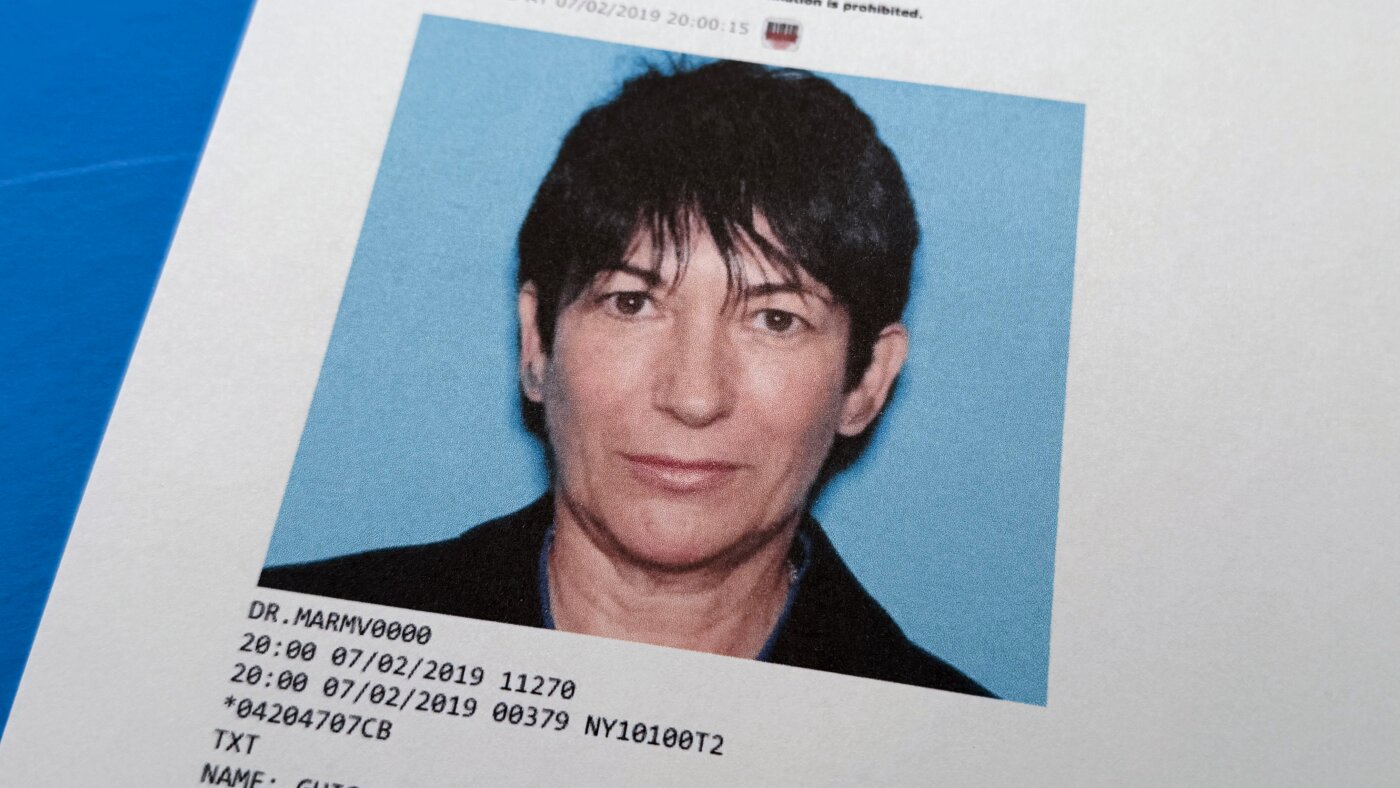
"Booking photograph of Ghislaine Maxwell contained within publicly released U.S. Department of Justice Epstein case materials and federal court records tied to the broader Epstein investigation.”
At the same time, the publicly established facts regarding Epstein’s ties to Interlochen remain limited. Epstein attended Interlochen Arts Camp as a 14-year-old bassoon player during the summer of 1967. He later remained connected as an alumnus and eventually donated more than $400,000 to the institution’s scholarship foundation. Following Epstein’s criminal case and public disgrace, Interlochen Center for the Arts later cut ties with him and publicly distanced itself from the association, as confirmed in an official statement issued by the institution. The statement noted that after learning of Epstein’s 2008 conviction, Interlochen conducted an internal review, removed donor recognition tied to Epstein from campus, renamed the former “Epstein Lodge,” and “cut all ties with him.” The institution also later invested heavily in expanded campus safety and security measures.
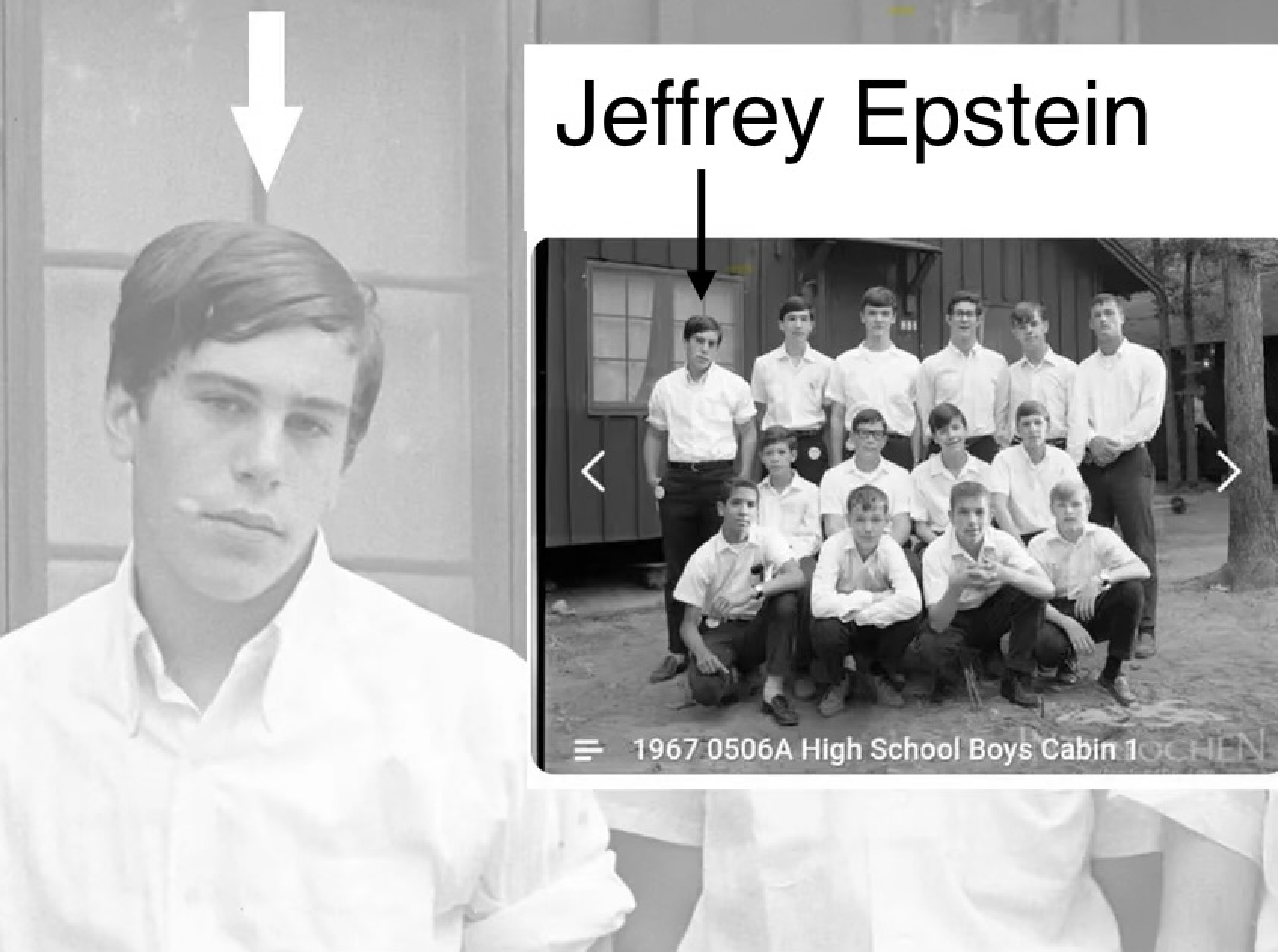
“Jeffrey Epstein pictured in Cabin 1 during his attendance at Interlochen Center for the Arts in the summer of 1967 as a 14-year-old bassoon student. The image later resurfaced publicly during broader federal investigations and media reporting surrounding Epstein’s historical associations.”
Those facts alone do not automatically establish institutional wrongdoing, participation in criminal conduct, or a coordinated cover-up. Thousands of schools, nonprofits, and cultural institutions have alumni or donors who later become involved in criminal activity. Guilt by association is not the same thing as evidence.
Critics of the renewed investigation argue that if credible evidence exists showing Interlochen knowingly enabled or concealed crimes, then that evidence should be presented clearly and investigated accordingly. But they also warn against turning respected institutions into political theater or symbolic props simply because a controversial individual once had ties to them.
In a statement posted to her Facebook page, Tsernoglou said:
“Yesterday, I hosted a press conference calling on Speaker Hall to pass my resolution to investigate Epstein’s ties to Interlochen. Speaker Hall has a history of silencing the voices of strong women.”
She also argued that “our government is truly broken when our so-called leaders choose to protect pedophiles over transparency and accountability.”
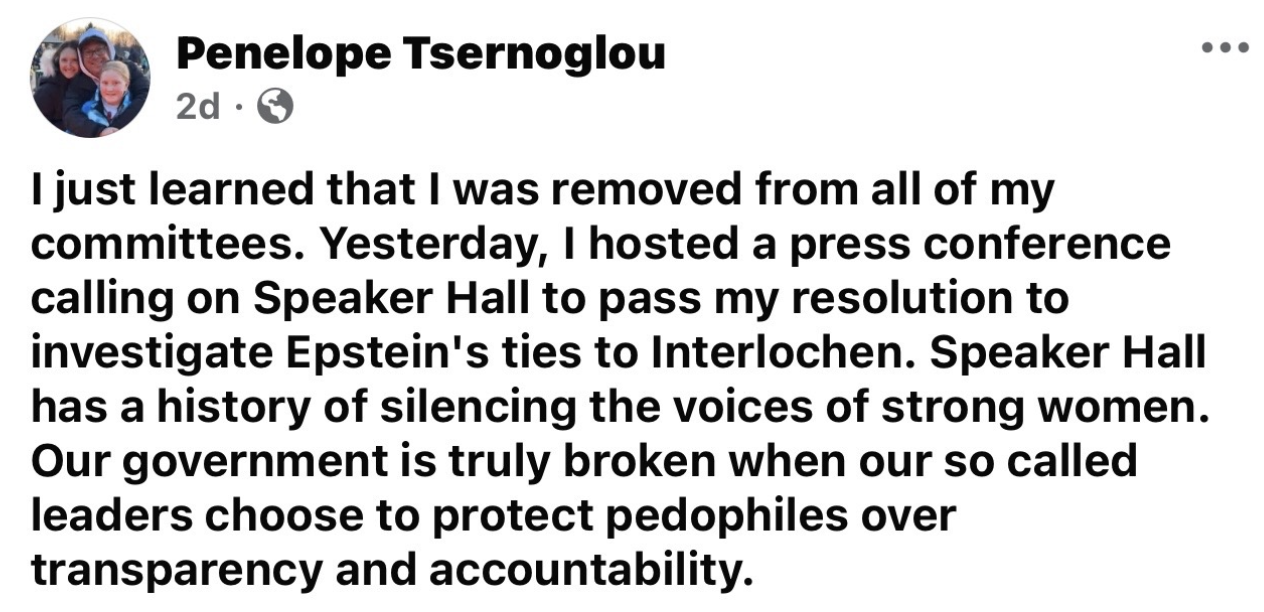
“Representative Penelope Tsernoglou’s social media page following a post about her removal from all committee assignments on May 20, 2026."
At the same time, many people reacting emotionally in online comment sections appear far more focused on outrage and assumptions than fact-based conclusions. Serious allegations deserve serious investigation grounded in verifiable evidence — not public hysteria, speculation, or the idea that association alone automatically proves institutional guilt.
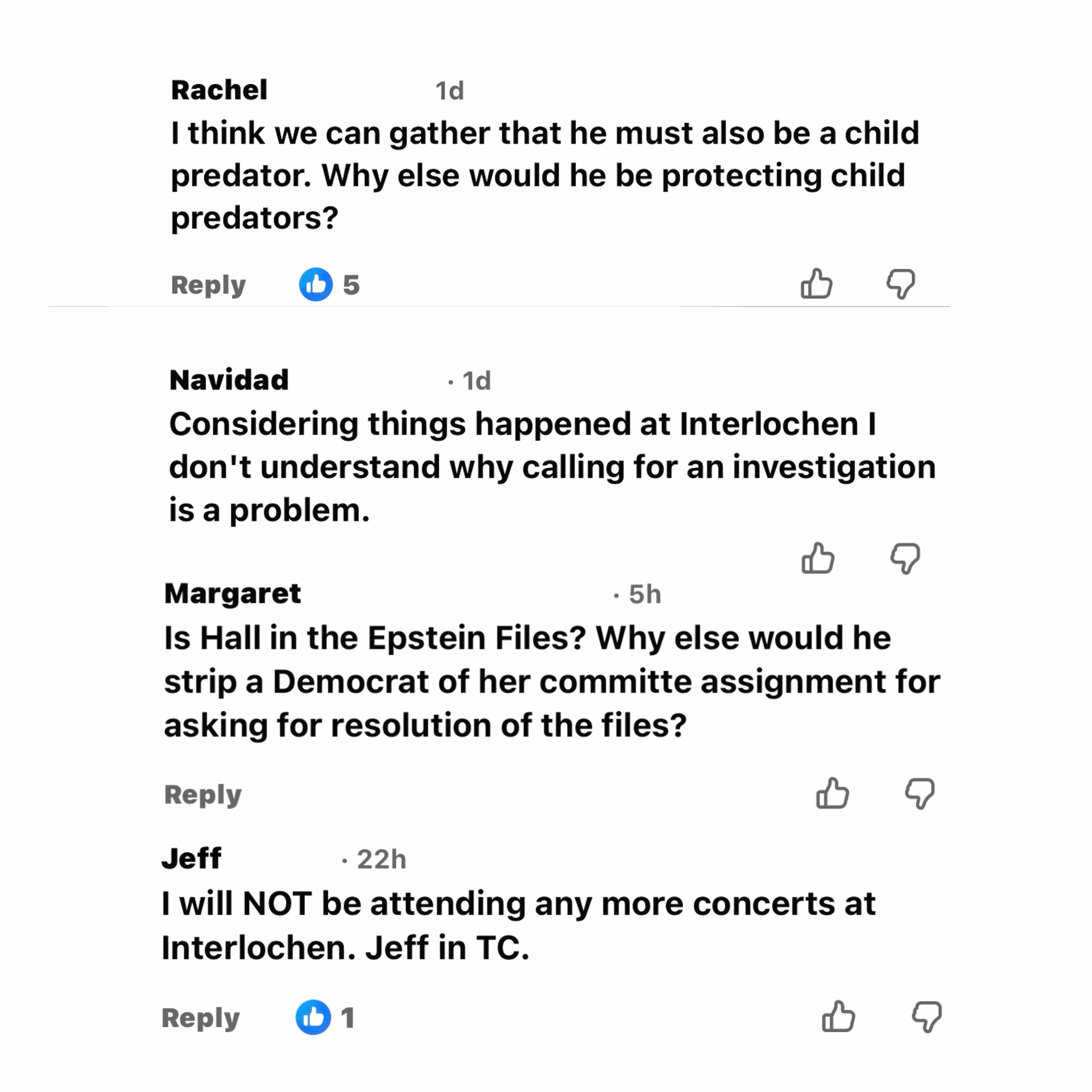
“Irrational outrage displayed across the public comment section of Representative Penelope Tsernoglou’s social media page following renewed calls for investigation into Interlochen’s historical ties to Jeffrey Epstein. Minor surname reductions and profile photos have been removed for privacy.”
The broader debate has increasingly become a political flashpoint, with accusations of retaliation, performative investigations, and media-driven outrage now overshadowing the core question of evidence itself. Meanwhile, many alumni, students, and supporters of Interlochen argue the school’s decades-long reputation for arts education and student development should not be overshadowed by allegations tied to a former attendee from more than half a century ago.
At some point, leadership requires discipline, transparency, and facts — not endless speculation designed to generate headlines.
Details regarding Jeffrey Epstein’s historical ties to Interlochen Center for the Arts had already been reviewed and publicly surfaced during the broader federal investigations and court proceedings surrounding Epstein and Ghislaine Maxwell between 2019 and 2024. Materials later released through the U.S. Department of Justice Epstein Files Archive included references to Interlochen among numerous locations and institutions connected to Epstein-related allegations. Epstein’s attendance at Interlochen dated back to the summer of 1967, decades before his later criminal cases and federal investigations. Despite renewed political calls for investigation at the state level in 2026, the subject matter itself was not new and had already been examined through the broader federal review and public court record. No findings from the Department of Justice investigation or related court proceedings concluded that Interlochen Center for the Arts was institutionally liable for wrongdoing connected to Epstein’s criminal conduct.
An additional statement was later issued publicly on social media by Dustin L. Bayn, CEO of Dennco Holding Company and a descendant of Joseph Maddy, who publicly commended Speaker Matt Hall’s decision.
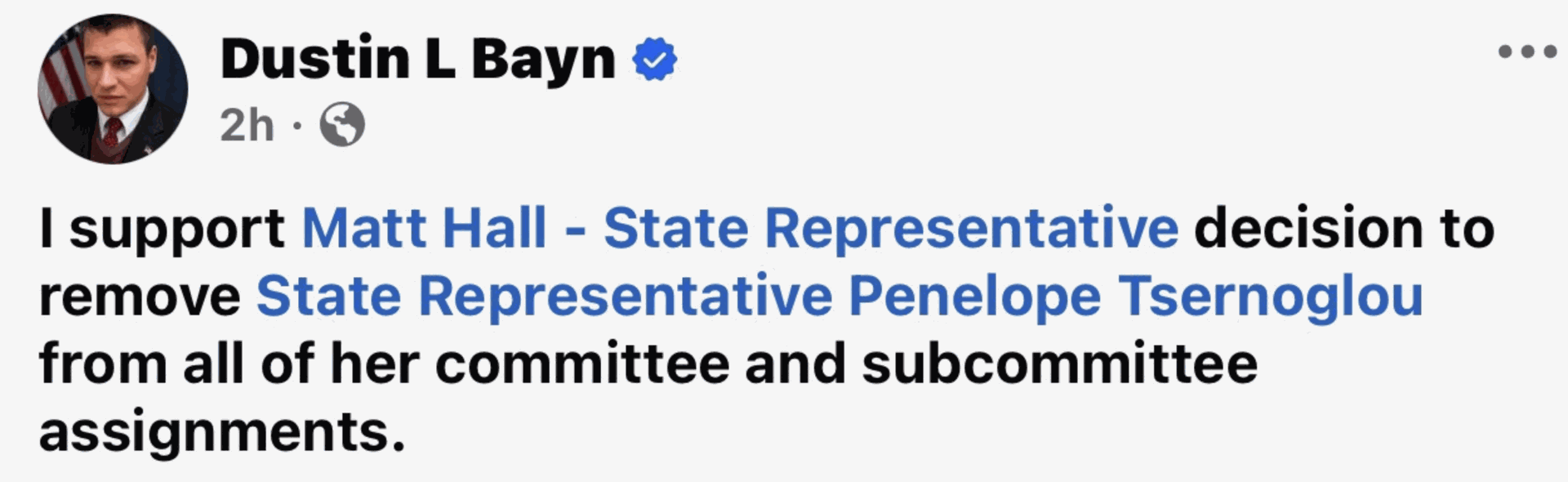
“Screenshot of a public statement issued by Dustin Lee Bayn, CEO of Dennco Holding Company and a descendant of Joseph Maddy, commenting on the controversy surrounding renewed investigations into Jeffrey Epstein’s historical ties to Interlochen Center for the Arts.”
Bayn argued that investigations involving serious allegations should remain grounded in verifiable evidence and factual conclusions rather than political pressure or emotionally charged public reaction. He also criticized what he described as the growing tendency for politicians to use respected public institutions as platforms for political leverage and media attention.
Bayn further stated that many reactions across social media appeared driven more by outrage and assumption than by disciplined, fact-based reasoning, warning that guilt by association should not be treated as proof of institutional wrongdoing.
Sources:
- https://www.wnem.com/2026/05/22/michigan-lawmaker-removed-committees-after-calling-epstein-investigation/
- https://www.wilx.com/2026/05/22/michigan-lawmaker-removed-committees-after-calling-epstein-investigation/
- https://www.interlochen.org/statement-interlochen
- https://www.justice.gov/epstein
- https://www.npr.org/2026/02/19/nx-s1-5707290/epstein-files-victims-interlochen-ghislaine-maxwell